DLIR-XZ3D Intelligent 3D Vision Application Workstation Technical documents

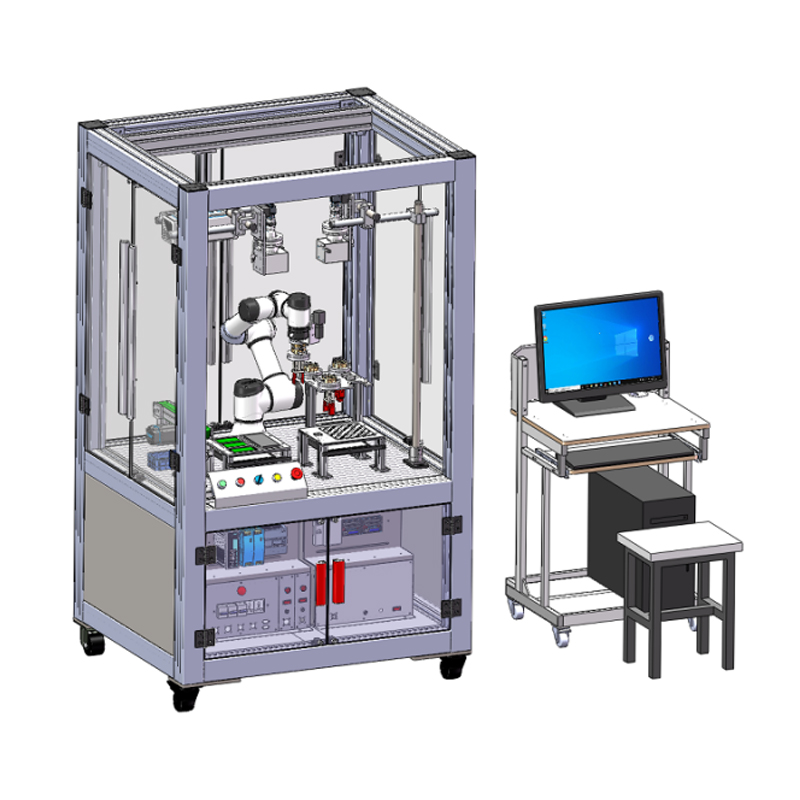
- Dolang
- China
- 30-60 days
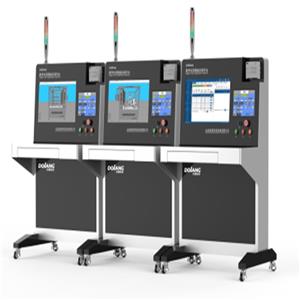
DLIR-XZ3D Intelligent 3D Vision Application Workstation integrates high-precision 3D imaging, intelligent recognition and automatic positioning. It supports accurate detection, measurement and guidance in industrial scenarios, with stable performance, strong compatibility and easy operation. Ideal for automation training, R&D and production applications, it improves efficiency, ensures precision and provides a professional platform for 3D vision technology application and technical document demonstration.
Overview
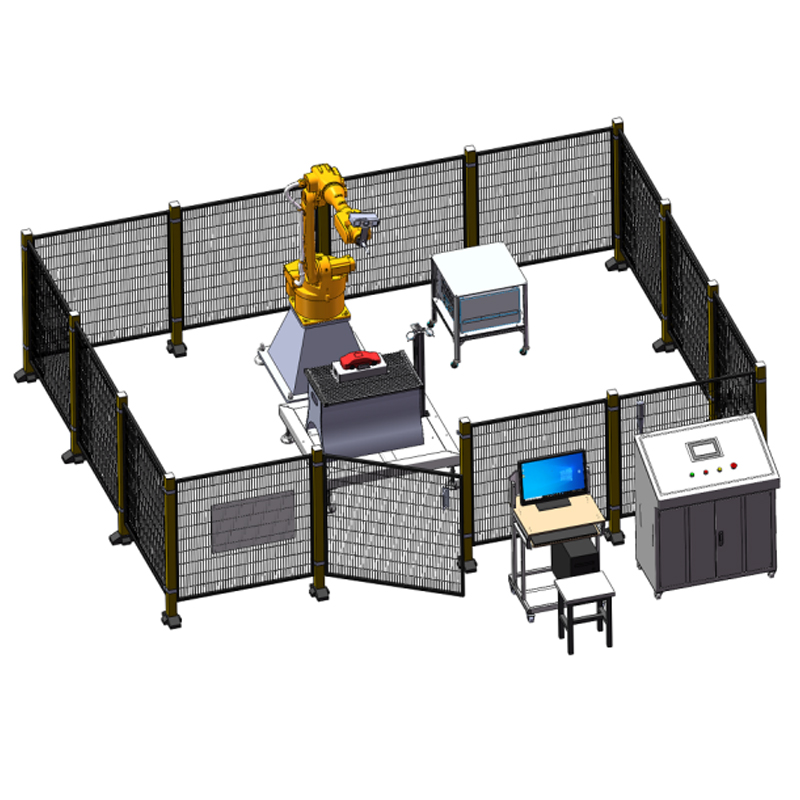
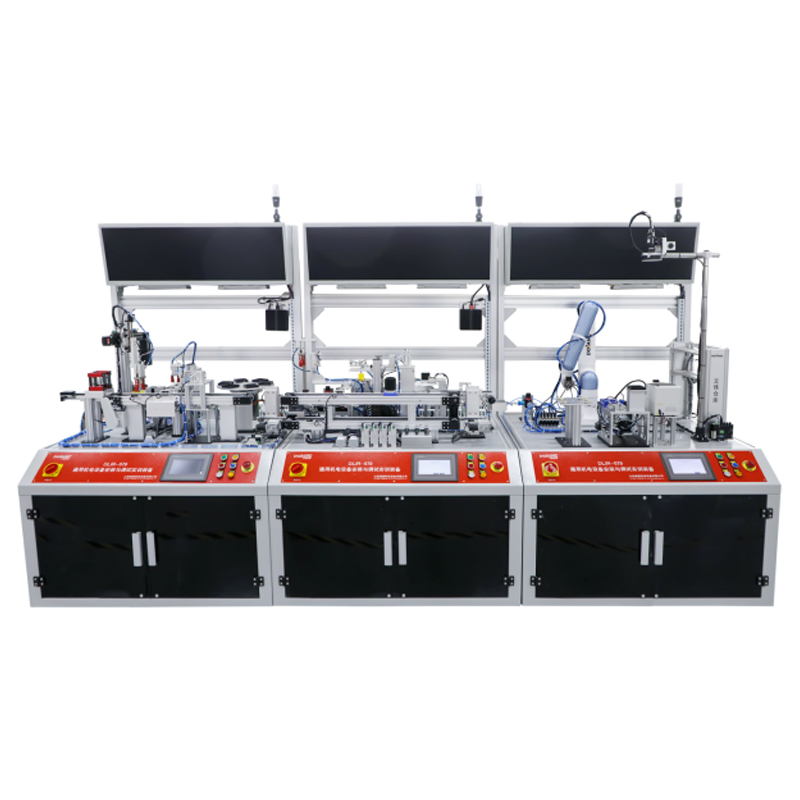
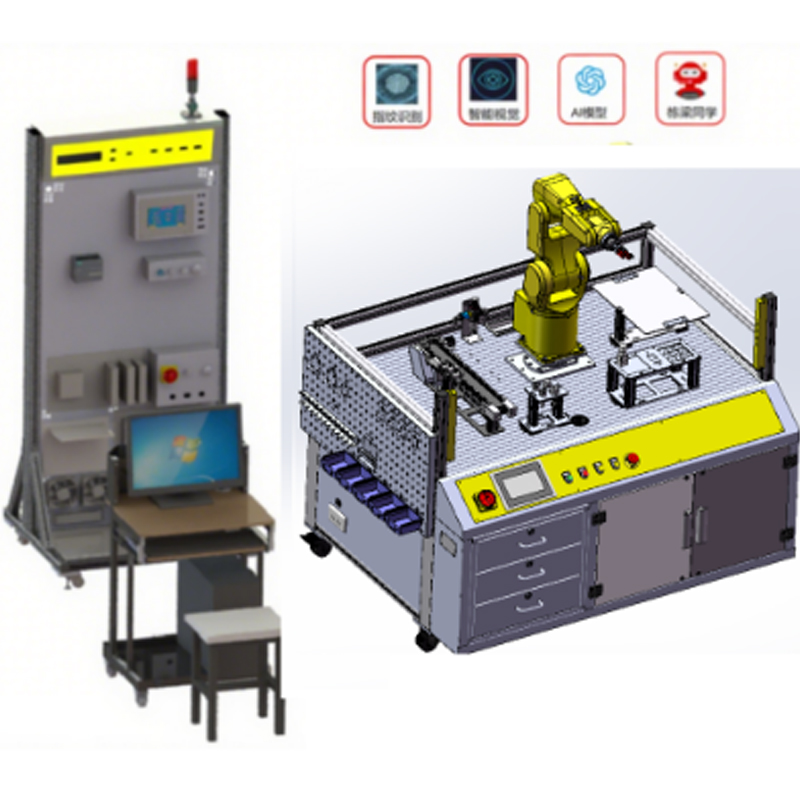
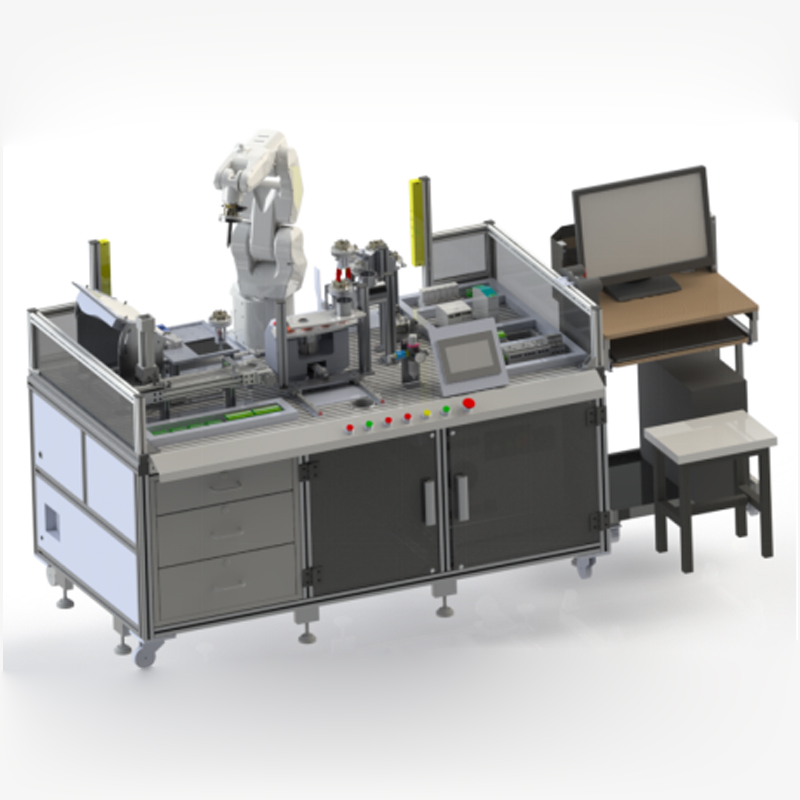
The DLIR-XZ3D Intelligent 3D Vision Application Workstation addresses the real-world business needs of robots in industrial scenarios, utilizing intelligent... 3D Based on camera-based perception technology and integrated with industrial robot motion planning technology, the system uses vision to detect objects to be sorted to obtain their pose information. This information is used to complete tasks such as sorting scattered materials, measuring dimensions, detecting defects, and locating objects. The workstation mainly consists of a workbench, a collaborative robot, a robot quick-change fixture module, and intelligent... 3D It consists of a camera system and software, a material box, a computer and desks, an oil-free silent air pump, tools and toolboxes, teaching resources, etc.
Characteristics
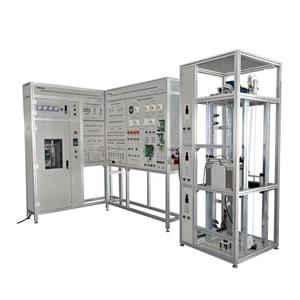
Integrated modular structure: Each execution object is an independent module, all installed on a general-purpose aluminum profile platform, where each execution object and electrical control circuit are constructed. No tools are required for disassembly and assembly during training, and the robot's range of motion can simultaneously meet the needs of all training content.
Open design: It has excellent extensibility, allowing customers to develop new models and fixtures according to their own needs, while also supporting secondary development of peripheral systems.
Equipment operation safety: It has multiple protections including short circuit, overload, and emergency stop.
Technical Parameters
Temperature: -5 to +45°; Ambient humidity: ≤85% (25°C).
Equipment dimensions: Length × Width × Height = 1.1 m × 1 m × 1.9 m
Total power: Approximately 3.0 KVA.
Altitude: ≤4000m.
Input power: AC220V±10%.
Output power: DC24V.
Environment: Vibration ≤0.5G, free from dust, corrosive gases, flammable gases, oil mist, water vapor, dripping water or salt, etc.
The system is reliably grounded: the grounding impedance is less than 4 ohms.
Compressed air pressure: 0.3-0.7MPa.
Cooling method: Natural cooling.
Fulfillable Assessment Design Tasks
Section 1: Robot Training
1) collaborative robots
2) Installation of collaborative robot teach pendant
3) Installation of end-effectors for collaborative robots
4) Setting parameters for collaborative robots
5) Practical training on collaborative robot operation modes and manual speed
6) Viewing frequently used information about collaborative robots
7) Introduction to Collaborative Robot Programming Instructions
8) Backup and restore of collaborative robot programs
9) Practical training on coordinate system calibration for collaborative robots
10) Collaborative robot fault diagnosis and maintenance
Section 2. Industrial Camera Assembly and Adjustment
11) Selection of 2D industrial cameras, lenses, and light sources
12) Installation and debugging of 2D industrial cameras
13) Installation and debugging of the light source
14) 3D Camera Installation and Debugging, Section
3 : Equipment Communication Application Training
Section 4. Dataset Creation
15) Data collection
16) Data labeling
17) Data cleaning
Section 5. Target model training
18) Deployment and application of deep learning frameworks
19) Visual recognition model training
Section 6. 2D camera measurement
20) Color recognition of target objects
21) Target object type identification
22) Character recognition of target objects
23) Barcode recognition of target objects
24) Distance measurement of target objects
25) Diameter measurement of the target object
Section 7. 3D camera training
26) 3D camera equipment debugging
27) 3D camera image debugging
28) 3D camera algorithm parameter settings
29) 3D camera object detection