DLIR-EM01 Engineering Machinery Equipment Component

- Dolang
- China
- 30-60 days
DLIR-EM01 Engineering Machinery Equipment Component is designed for heavy-duty working conditions with high strength, excellent wear resistance and stable performance. Made of premium materials with precision processing, it ensures long service life and reliable operation. Ideal for engineering machinery, construction equipment and industrial machines, it effectively reduces downtime and maintenance costs, providing durable support for heavy equipment.
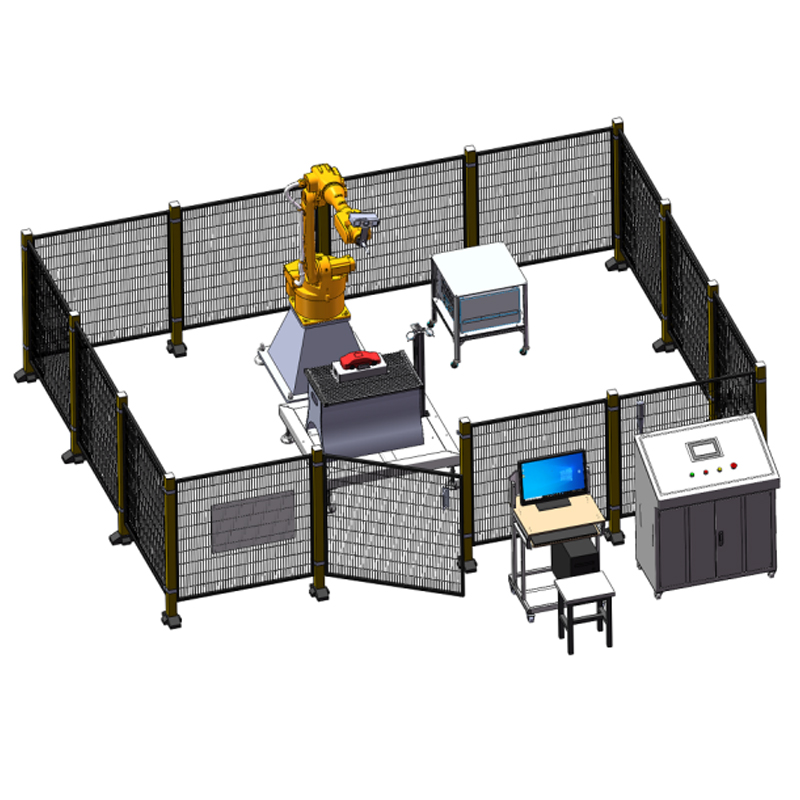
DLIR-EM01 Engineering Machinery Equipment Component Measurement Unit
All images in this plan are for reference only.
Overview
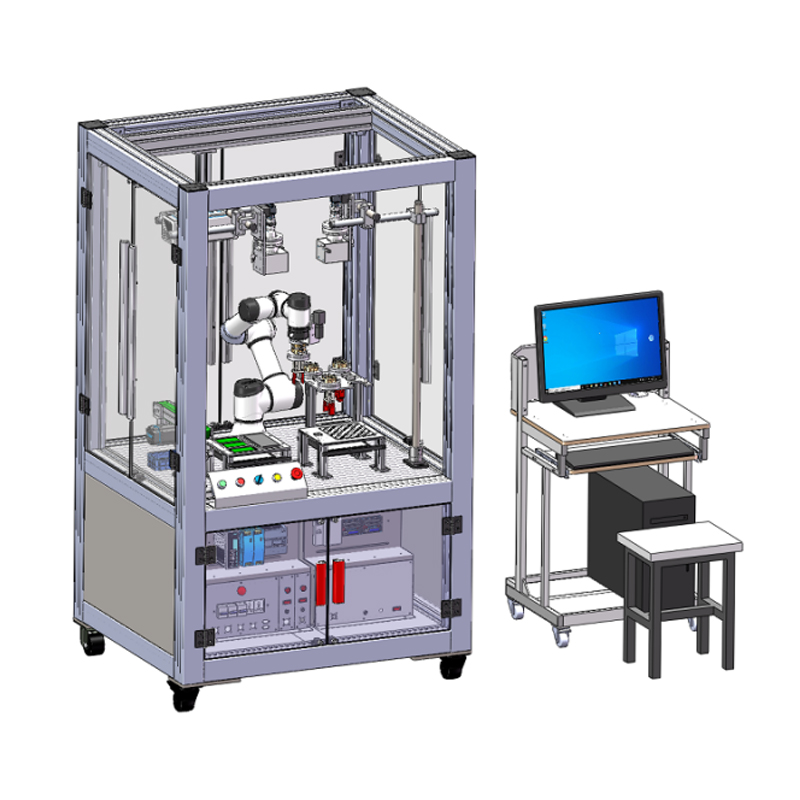
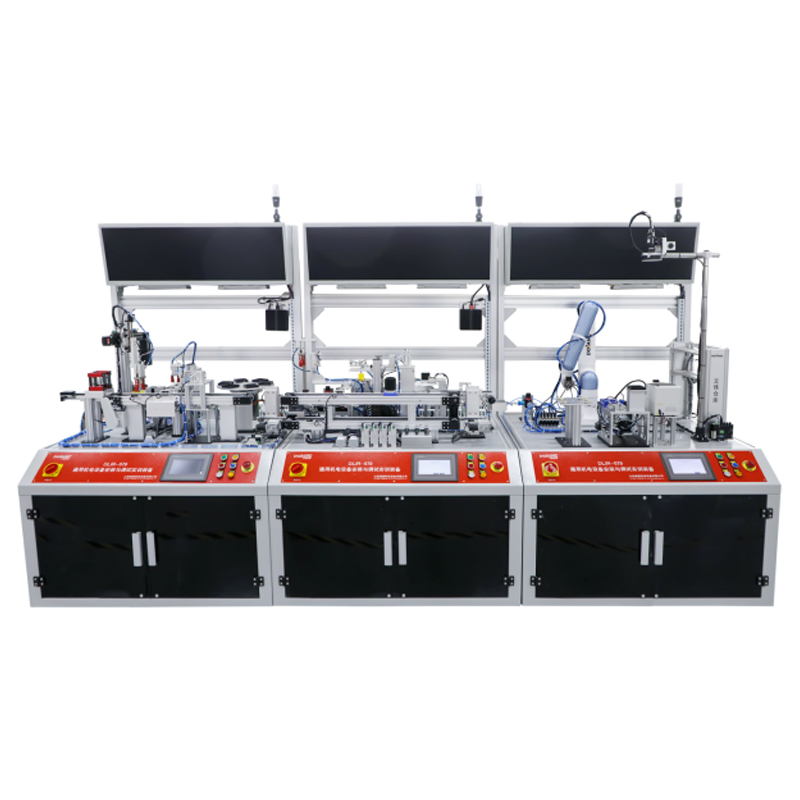
The DLIR-EM01 engineering machinery equipment component measurement unit combines computer vision technology, high-precision measurement technology, electrical control technology, and industrial robot technology to measure, output, analyze, and judge the key geometric dimensions and form and position tolerances of vehicle components.
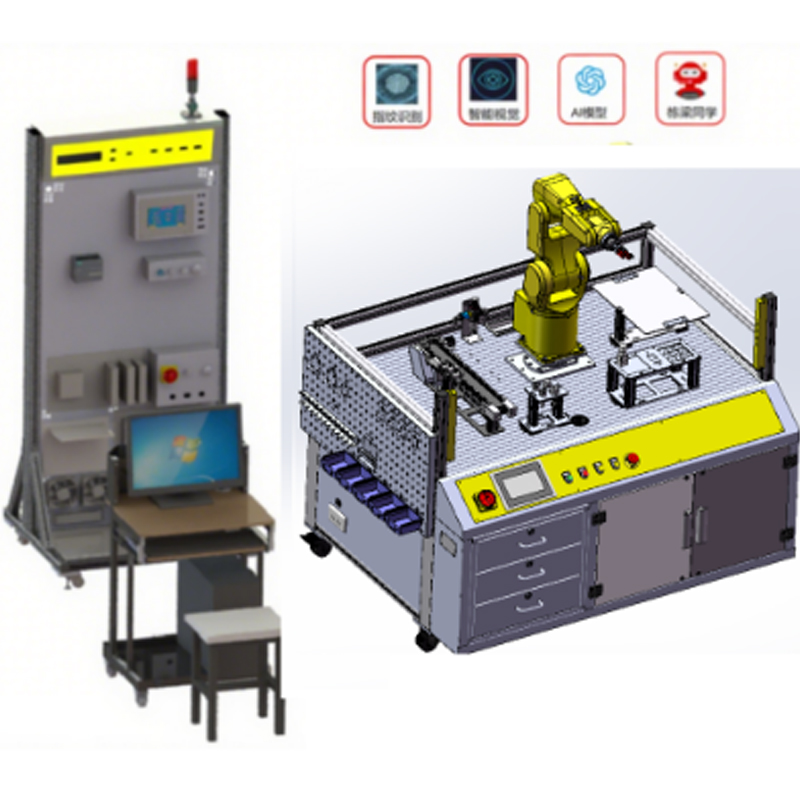
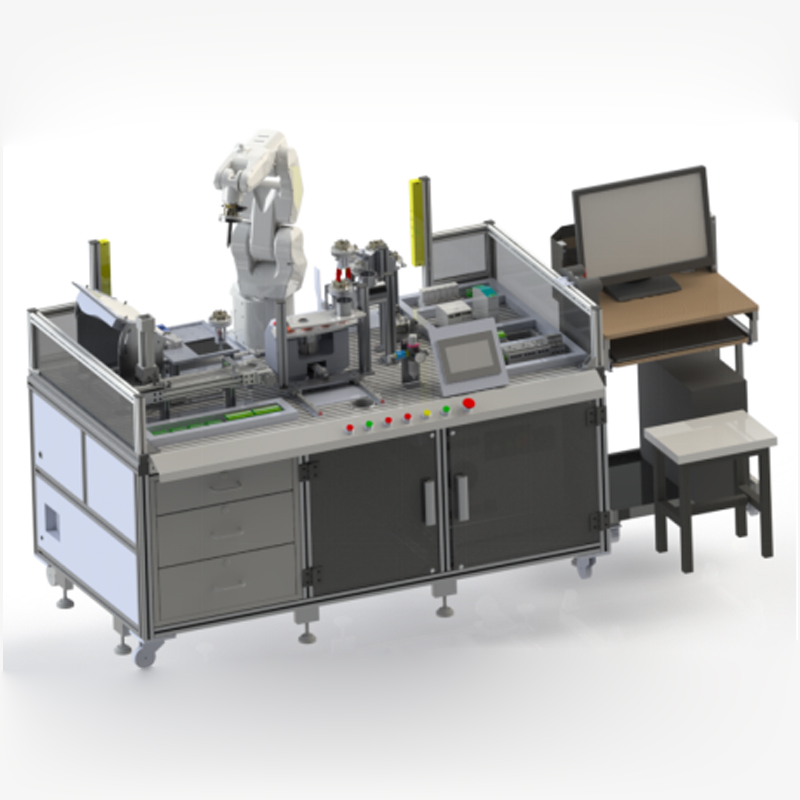
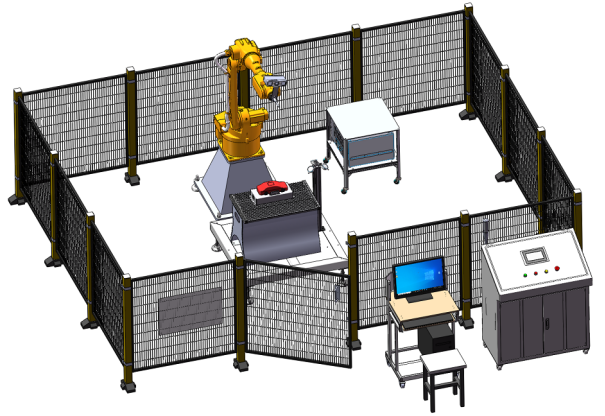
The unit mainly consists of an industrial robot, an aluminum platform for the control cabinet, a robot base, a workpiece support platform, vehicle components, a calibration device, an intelligent 3D vision system, a unit electrical control system and control cabinet, a computer and desks/stools, teaching resources, safety guardrails, and tools and toolboxes.
Technical Parameters
Temperature: -5 to +45°; Ambient humidity: ≤85% (25°C).
Floor area: 3500×2500mm
Power supply and wattage: 1.5kW.
Altitude: ≤4000m.
Output power: DC24V.
Environment: Vibration ≤0.5G, free from dust, corrosive gases, flammable gases, oil mist, water vapor, dripping water or salt, etc.
The system is reliably grounded: the grounding impedance is less than 4 ohms.
Compressed air pressure: 0.3-0.7MPa.
Cooling method: Natural cooling.
Fulfillable Assessment Design Tasks
Section 1: Robot Training
1) Installation of industrial robots
2) Installation of industrial robot teach pendant
3) Installation of end-effector tools for industrial robots
4) Setting parameters for industrial robots
5) Practical training on industrial robot operation modes and manual speed
6) Viewing frequently used information about industrial robots
7) Introduction to Industrial Robot Programming Instructions
8) Backup and recovery of industrial robot programs
9) Practical training on the calibration of industrial robot coordinate system
10) Industrial robot fault diagnosis and maintenance
Section 2. Target Model Training
11) Deployment and application of deep learning frameworks
12) Visual recognition model training
Section 3 , 3D Camera Training
13) 3D camera equipment debugging
14) 3D camera image debugging
15) 3D camera algorithm parameter settings
16) 3D camera object detection