Sino-German Liangdong Invited to the 2026 China-Africa Vocational Education Cooperation Exchange
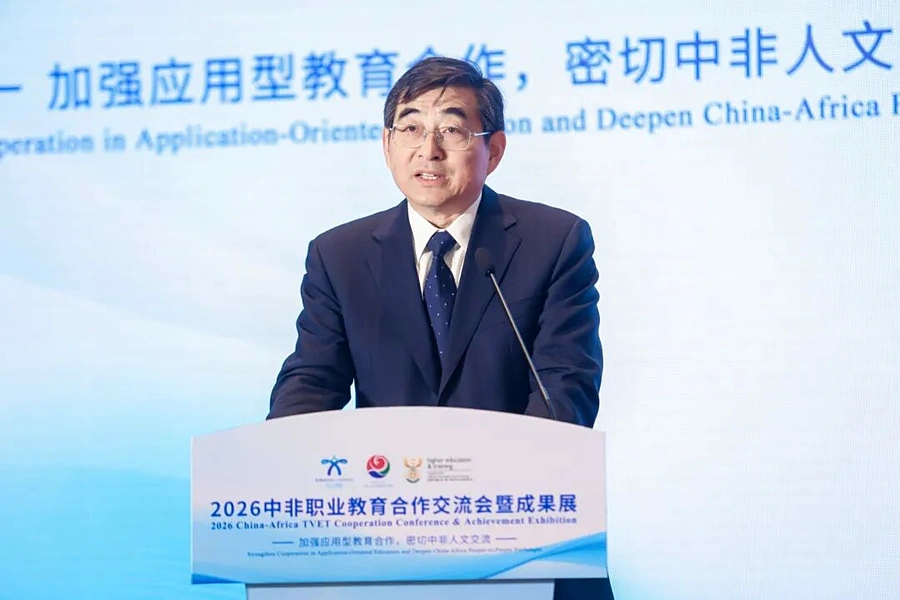
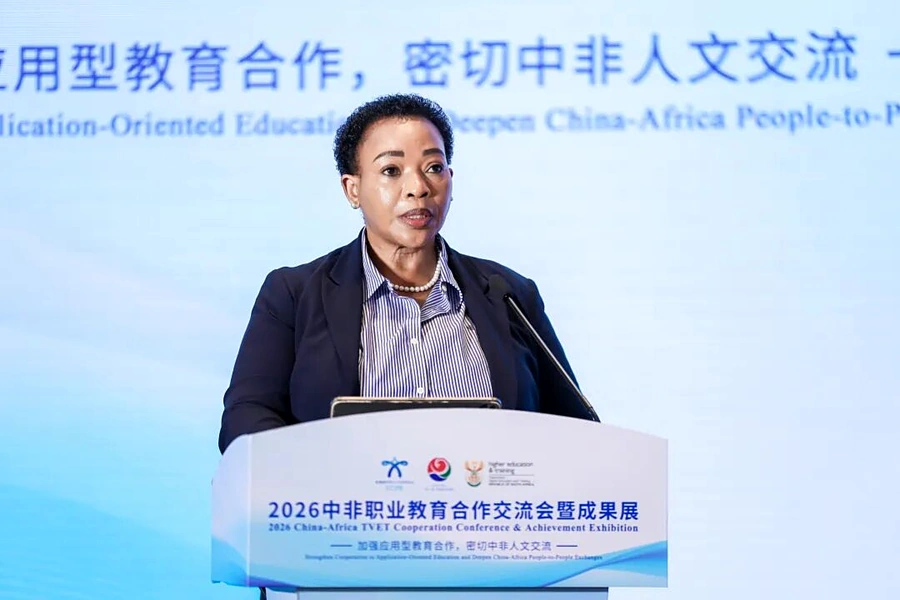
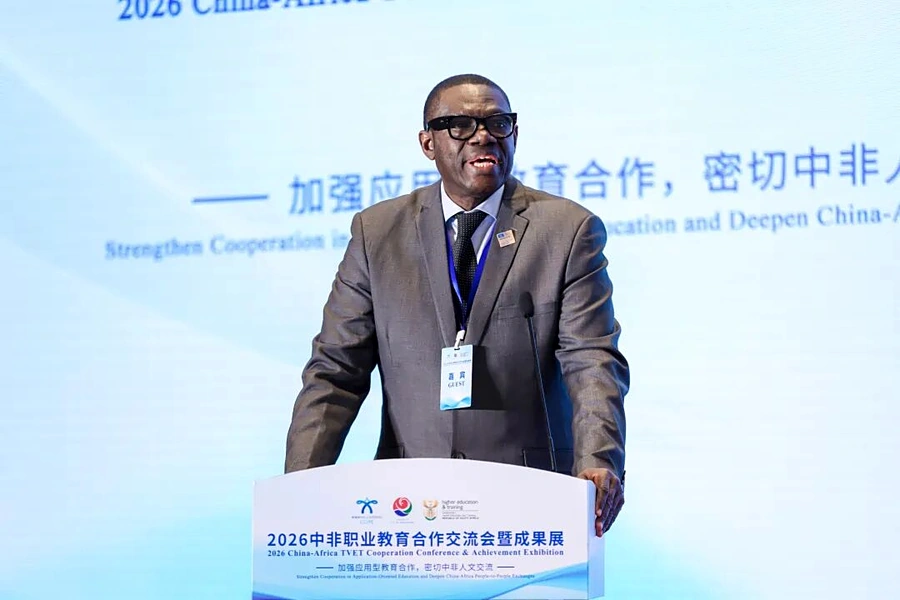
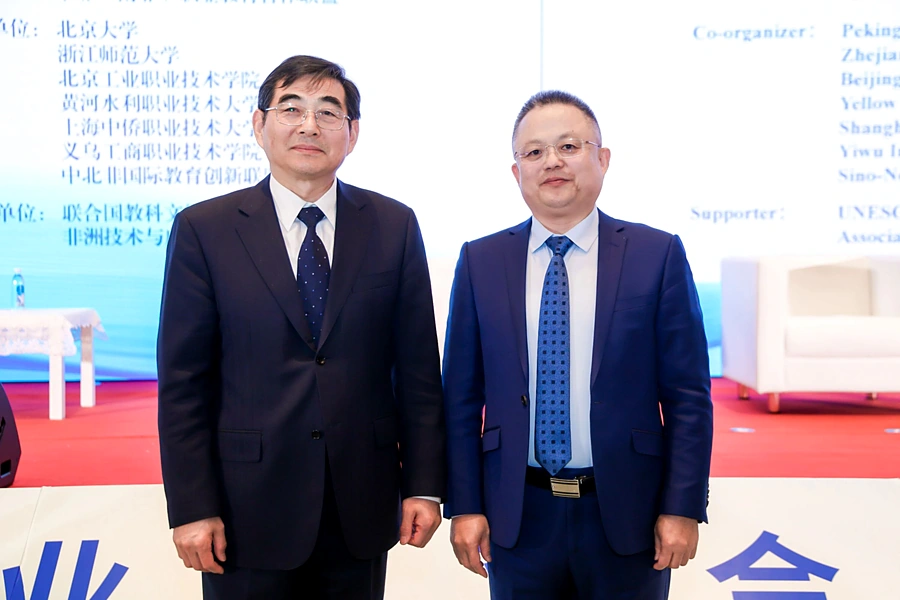
On November 13, the 2026 China-Africa Vocational Education Cooperation Exchange and Results Exhibition, co-hosted by the Center for International People-to-People Exchange of China's Ministry of Education, the Department of Higher Education and Training of South Africa, and the China-Africa (South Africa) Vocational Education Cooperation Alliance, was held in Beijing. Jiang Zuodong, Chairman of Sino-German Liangdong Group, attended the event together with Jing Hongxia and He Ningning of the International Cooperation Department, and delivered presentations in the roundtable dialogue and the principals' dialogue session respectively.
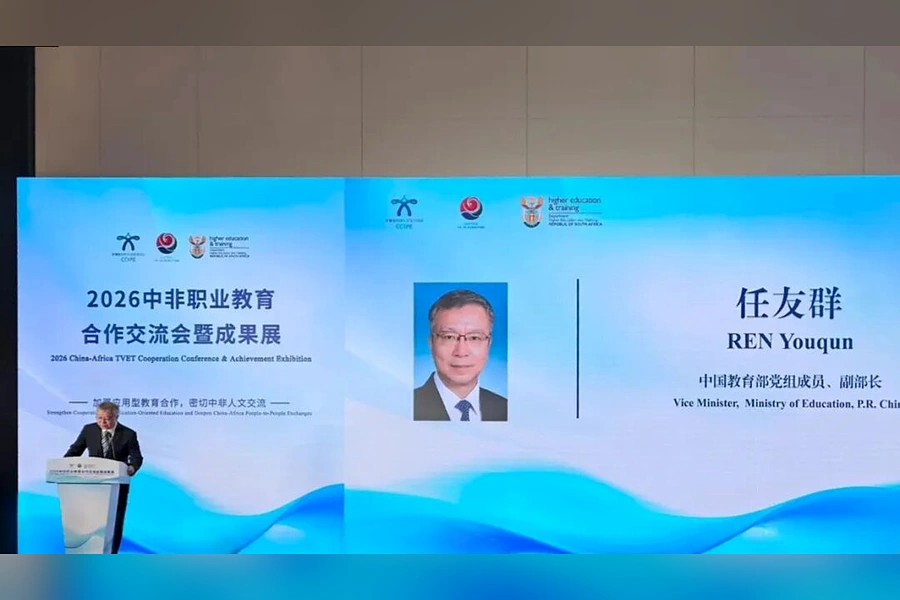
2026 marks the 70th anniversary of the establishment of diplomatic relations between China and African countries, and is also the "Year of China-Africa People-to-People Exchange". The event was held to implement the guiding principles of the 2026 World Vocational and Technical Education Development Conference and the follow-up arrangements of the Beijing Agreement. With the integrated development of education, science and technology, and talent as its focus, it aims to promote coordinated development of vocational education and joint cultivation of industry talent between China and African countries, continuously expand the space for China-Africa vocational education cooperation, and deepen people-to-people exchanges and mutual learning.
Education Follows Industrial Output; Industry and Education Advance Together
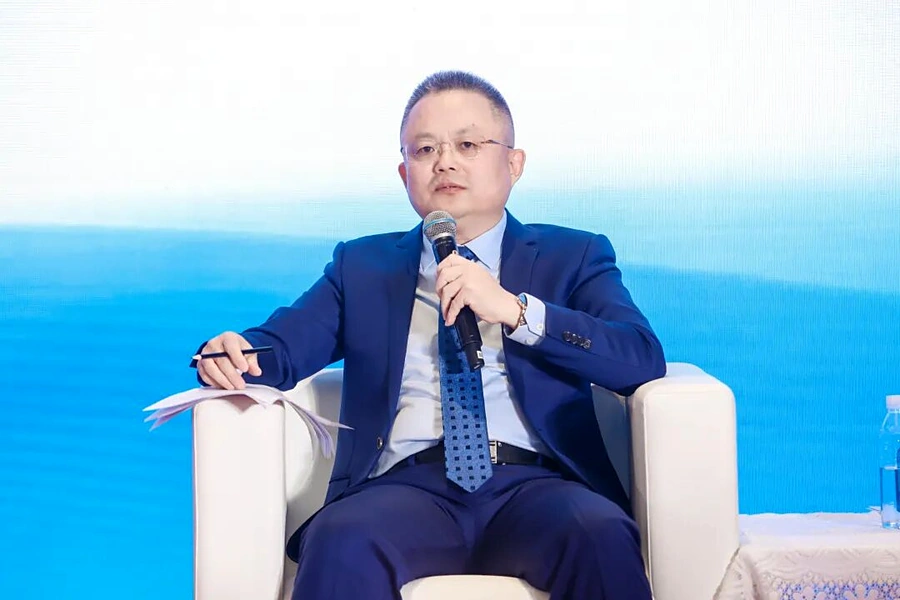
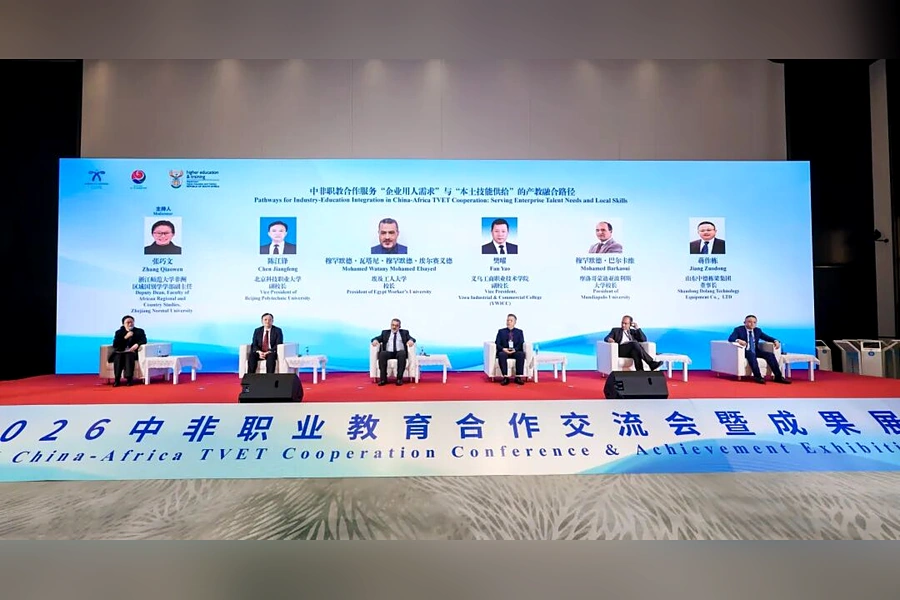
In the roundtable dialogue on "Industry-Education Integration Pathways for China-Africa Vocational Education Cooperation: Enterprise Talent Demand and Local Skill Supply", Chairman Jiang Zuodong spoke about the company's practices.
He explained that Sino-German Liangdong has established a differentiated presence across five regions—North Africa, East Africa, West Africa, Central Africa and Southern Africa—with operations in nearly 20 countries including Kenya, Botswana, Ethiopia, Tunisia, Algeria, Morocco, Mauritius, Cameroon, Nigeria and Uganda, and is building a multi-point, interconnected ecosystem of digital and smart training in Africa. Referring to the enthusiasm for China-Africa vocational education cooperation, he described it as "eight-tenths hot": "We feel the push of policies and the pull of industrial development, but we also sense the resistance to delivering real results. The root cause is the shortage of localized talent in industry." To address this, cooperation must be elevated from individual projects to system-wide co-construction, turning "blood transfusion" into "blood generation".
Sino-German Liangdong has always placed its own development within the broader context of China-Africa cooperation and fully embraced the responsibilities of a Chinese enterprise. The group remains committed to "education following industrial output, with industry and education advancing together", embedding skills training into the industrial upgrading processes of African countries. By responding effectively to the real needs of African production capacity through the supply of education, it supports industrial chains with talent chains and serves capacity development through educational cooperation
From "Exporting Equipment" to "Exporting Chinese Solutions"
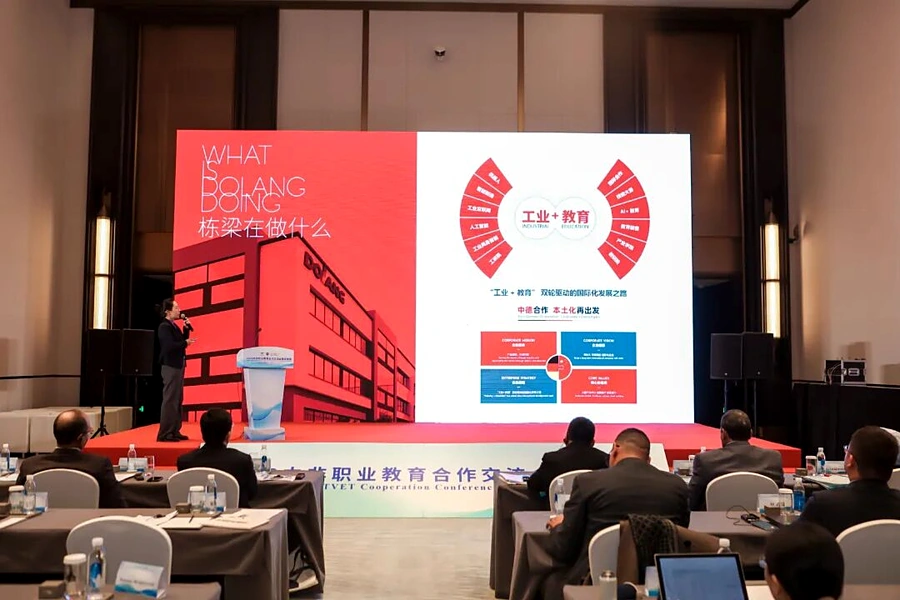
During the principals' dialogue, He Ningning, Deputy Director of International Cooperation Department II, delivered a keynote report entitled "The Practice and Future Prospects of Liangdong's China-Africa Vocational Education Cooperation". After the launch of the "African Talent Program" in 2012, Sino-German Liangdong embarked on its path of vocational education cooperation in Africa.
In 2017, Kenyan President Uhuru Kenyatta cut the ribbon for the China-Africa Liangdong Mechatronics Training Base. The group signed the China-Kenya Vocational Education Cooperation Agreement with Kenya's Ministry of Education, providing 134 vocational institutions in Kenya with a full package of services covering program development, curriculum design, loose-leaf teaching materials, teacher training and skills assessment. To date, it has developed more than 110 localized bilingual courses and organized over 1,200 African vocational school principals and key teachers to receive training in China, helping Kenya build a standardized national system for skills talent development.
In September of the same year, Uganda's Ministry of Education advanced the digitalization of education and accelerated talent development in manufacturing and industrial automation. Drawing on local industrial conditions, Liangdong tailored a program development plan and delivered training solutions for automotive and electrical automation. In 2026, Liangdong again provided 9 key Ugandan technical professionals with 35 days of intensive, systematic training, advancing capacity building in a focused, high-intensity and replicable way.
Noting that African young people are eager to work with their hands but often have a weak theoretical foundation, the group has drawn on its fully self-developed intelligent equipment to build a new-energy productive learning factory in the Congo, helping Denis Sassou Nguesso University establish an endogenous, sustainable system for cultivating technical talent. At Awasa University in Ethiopia, it launched an integrated smart manufacturing training project, equipped with basic hydraulic and pneumatic training devices and small industrial production-line equipment with integrated collaborative robot arms, closing local gaps in engineering training through "learning by doing and doing while learning". In Fez, Morocco, it built a smart factory project at Euromed University of Fez, serving more than 550 local vocational colleges and higher engineering institutions.
The group is committed to researching and promoting WorldSkills standards and possesses full-chain delivery capability for international competitions. It can independently provide integrated services covering competition system development, competition equipment supply, expert think-tank support, pre-competition training and on-site operations. It has supplied equipment and technical support for the BRICS International Skills Competition, the first Kenya National Skills Competition, and the fifth and ninth African Vocational Skills Challenges, serving more than 1,800 competitors in total. Using competitions as a platform, it promotes unified competition standards and skills evaluation systems, and advances mutual recognition of skills certificates and the free movement of talent across Africa.
Four Priority Areas for Deepening the "Chinese Language + Technical Skills + Local Production Capacity" Cooperation and Operation Model
Regarding the next stage of cooperation, Jiang Zuodong said that Sino-German Liangdong will continue to advance the "Chinese language + technical skills + local production capacity" cooperation and operation model. Guided by service to local industrial development, with technical cooperation as the vehicle and cultural exchange as the link, the group will keep talent cultivation closely aligned with industrial orders and skill standards matched to job requirements, better meeting the employment needs of local African enterprises and Chinese companies operating overseas. Four priority areas have been identified:
● First, teacher training and exchanges: organize Chinese teachers to travel to Africa to provide training and improve local teachers' teaching standards, while inviting African teachers to China for exchanges;
● Second, education standards and curriculum development: jointly develop internationally certified program standards, promote "Chinese vocational education standards" internationally, and use standards to drive the development and export of teaching resources;
● Third, training base development and equipment export: build "Chinese language + technical skills" training bases and "Belt and Road Skill Dream" bases, and create "Liangdong Creation" productive learning factories for colleges and employees of Chinese-funded enterprises;
● Fourth, overseas engineering and technology colleges: expand overseas partner institutions, establish overseas engineering and technology colleges, and provide academic education and skills training to overseas learners.
"We hope to continue deepening cooperation with governments, colleges and universities, and China-Africa industry partners. Following the main lines of Africa's green industrialization and manufacturing upgrading, and grounded in real industrial needs, we will deeply integrate China's industry-education experience with African realities and steadily realize a virtuous cycle of technology transfer, talent cultivation and industrial feedback," said Chairman Jiang Zuodong. He expressed the expectation of joining hands with all parties to further strengthen industry-education collaboration and contribute Liangdong's strength to the steady and enduring development of China-Africa production capacity cooperation.